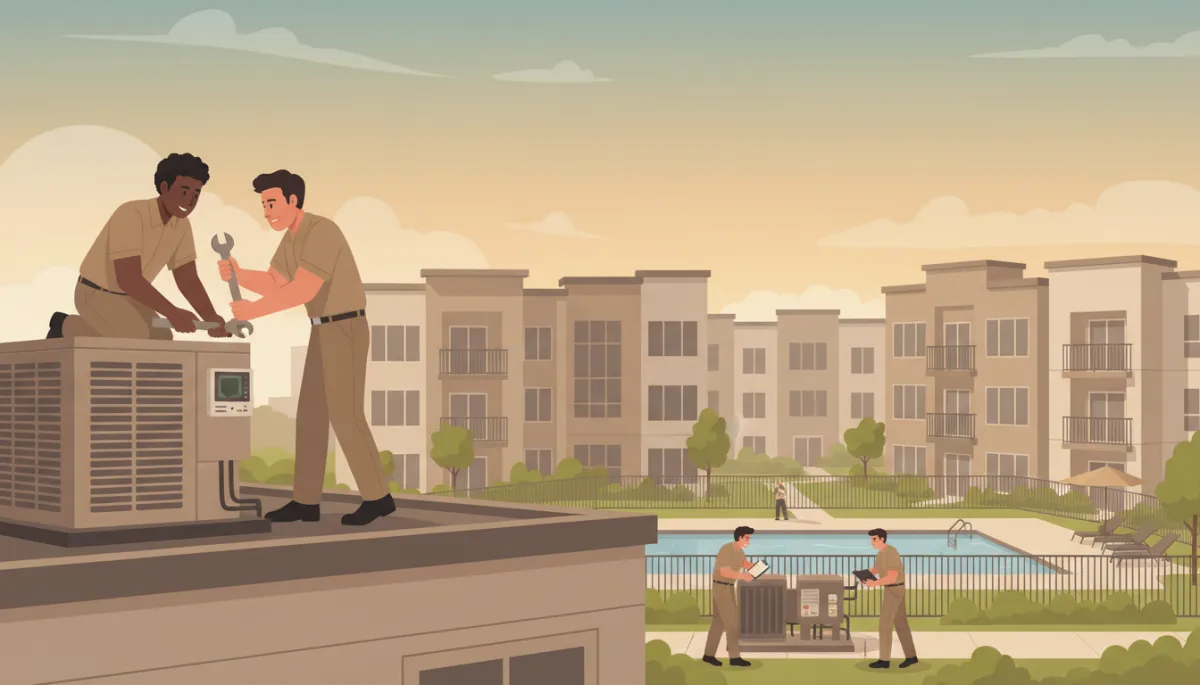
Spotlight on Multifamily Maintenance Teams
Multifamily Housing, Property Management, Maintenance Operations
Summer Strain: Why Multifamily Maintenance Teams Deserve the Spotlight
Summer is peak season for multifamily communities—and for the teams that keep them running. As temperatures rise, so do service requests, resident expectations, and operational risks. For owners, operators, and community management leaders, recognizing and supporting maintenance teams during this period is not just a nice gesture; it is a business-critical strategy that protects assets, resident satisfaction, and brand reputation.
The Summer Surge in Multifamily Maintenance Demands
Summer introduces a unique set of operational pressures for multifamily communities. Higher occupancy, increased guest traffic, and extreme weather combine to create a perfect storm of service needs. For many properties, this is when the volume of work orders, resident interactions, and emergency calls reaches its annual peak—especially in areas such as HVAC Repair, plumbing, and common-area upkeep.
Air conditioning systems, in particular, are under constant strain. When temperatures spike, residents expect immediate solutions, and the difference between a timely response and a delayed one can determine whether a resident chooses to renew a lease or begin shopping competitors. Effective Multifamily Maintenance operations become the backbone of resident comfort and retention during these hot months.
Core Summer Challenges Faced by Multifamily Communities
While every property is unique, several recurring challenges emerge across multifamily portfolios each summer. Understanding these pressure points helps owners and agencies design more realistic staffing plans, budgets, and support programs for maintenance teams.
HVAC system overload: Older systems and deferred Preventative Maintenance can result in frequent breakdowns, emergency calls, and costly after-hours service. Technicians are often juggling multiple HVAC Repair requests simultaneously, each with urgent resident expectations attached.
Increased move-ins and turn work: Summer is the most popular moving season. That means more unit turns, inspections, repairs, and cleaning. Maintenance teams must balance make-ready schedules with daily resident work orders, frequently under tight leasing deadlines.
Amenity and common-area wear: Pools, grills, playgrounds, and fitness centers see heavy use. This increases the need for daily inspections, minor repairs, and cleanliness standards that align with brand positioning and resident expectations.
Weather-related issues: Depending on the region, extreme heat, storms, or humidity can trigger roof leaks, landscape damage, pest activity, and safety concerns. Rapid response is essential to protect property value and reduce liability risk.
Staffing and burnout: With vacations, holidays, and increased call volume, maintenance schedules become more complex. Without thoughtful planning, teams quickly face overtime, fatigue, and reduced morale.
For Community Management leaders, these challenges are not abstract. They translate directly into resident satisfaction scores, online reviews, renewal rates, and long-term asset performance. The properties that navigate summer most successfully are those that treat maintenance as a strategic function, not simply a cost center.
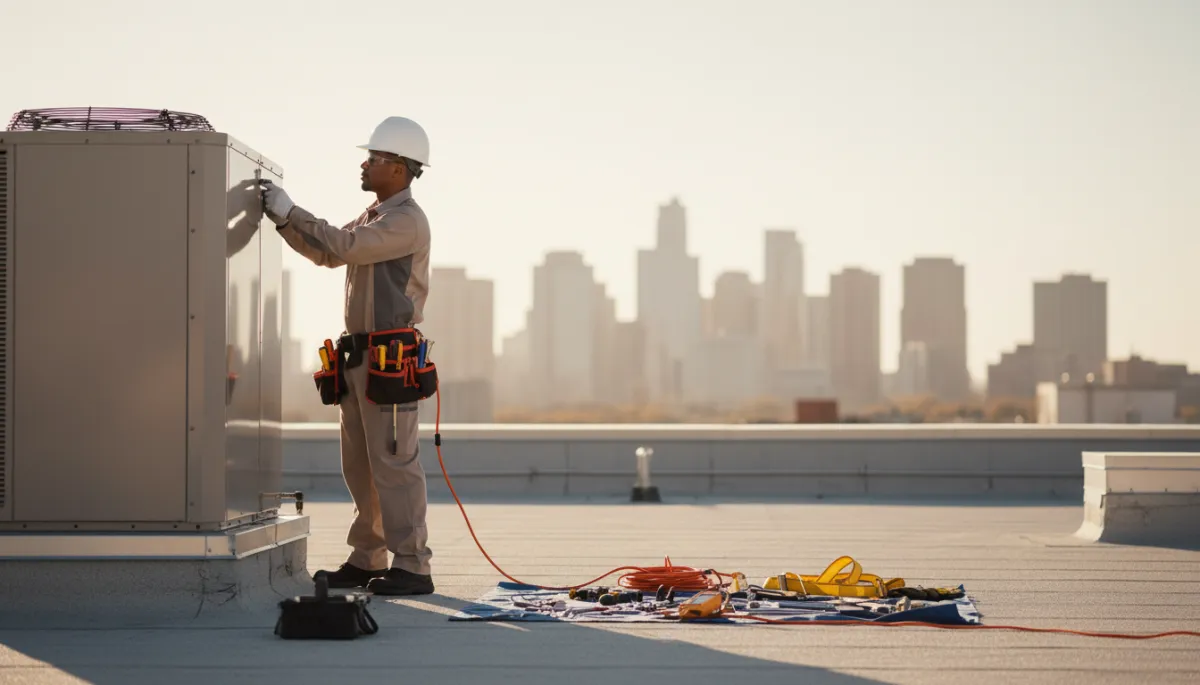
Proactive HVAC repair during summer protects resident comfort and reduces emergency costs.
Preventative Maintenance: Your First Line of Defense
One of the most effective ways to ease summer strain is a disciplined approach to Preventative Maintenance. Rather than waiting for systems to fail under peak demand, leading operators schedule inspections, tune-ups, and replacements ahead of the season. This strategy is particularly important for HVAC units, plumbing infrastructure, and life-safety systems, which can all be stressed by summer conditions.
A structured preventative program typically includes coil cleaning, filter changes, refrigerant checks, and thermostat calibration for HVAC systems, along with inspections of roofs, gutters, irrigation, and drainage. When executed early and consistently, these efforts reduce the volume of emergency calls, extend equipment life, and stabilize operating expenses. They also empower maintenance teams to work more strategically instead of constantly reacting to crises.
💡 Pro Tip: Align your preventative maintenance calendar with leasing forecasts and regional weather patterns so teams are not performing major system checks in the middle of peak move-in weeks.
The Business Case for Maintenance Team Recognition
While process and planning are essential, the human element is equally critical. The individuals on your maintenance staff are the ones answering late-night calls, troubleshooting complex HVAC Repair issues, and calming frustrated residents when something goes wrong. Recognizing and supporting these professionals—especially during summer—directly influences performance, retention, and resident satisfaction.
Maintenance Team Recognition should be more than a once-a-year gesture. It is an ongoing practice that communicates respect, appreciation, and alignment with broader organizational goals. When maintenance professionals feel seen and valued, they are more likely to go the extra mile, communicate proactively with residents, and remain with the organization long term—reducing turnover costs and preserving institutional knowledge of your assets.
Higher resident satisfaction: Engaged maintenance teams respond faster, communicate more clearly, and take pride in their work—all of which residents notice and appreciate.
Improved operational reliability: Recognized teams are more invested in thorough inspections, accurate documentation, and proactive reporting of capital needs.
Stronger culture and retention: In a competitive labor market, a culture that visibly values maintenance professionals becomes a powerful recruiting and retention tool.

Formal recognition programs reinforce the value of maintenance teams during peak seasons.
Practical Ways to Support Maintenance Teams in Summer
Effective Community Management involves translating appreciation into concrete support. Beyond verbal thanks, consider how policies, tools, and communication frameworks can make summer workloads more manageable for maintenance staff across your multifamily portfolio.
Resource planning and staffing: Review historical data on summer work orders and move-ins to forecast demand. Adjust staffing levels, on-call schedules, and vendor partnerships accordingly so teams are not consistently overextended.
Clear priorities and communication: Establish transparent criteria for triaging requests, particularly when multiple HVAC Repair or emergency calls arrive at once. Provide scripts and support so maintenance professionals can communicate realistic timelines to residents with confidence and empathy.
Training and development: Offer targeted training before summer on high-frequency issues, new equipment, and safety practices. Investing in skills development shows trust in the team and improves first-time fix rates.
Tools and technology: Equip teams with mobile work order systems, digital checklists, and inventory tracking tools. Streamlined workflows reduce administrative burden and allow maintenance professionals to spend more time solving problems on-site.
Well-being and recognition: Provide cold water, rest breaks, and shaded areas for outdoor work. Implement monthly recognition moments, small bonuses, or team events that acknowledge the intensity of the season and celebrate successes.
📌 Key Takeaway: When maintenance teams feel supported with realistic workloads, modern tools, and visible appreciation, they are better positioned to deliver the responsive service residents expect in summer.
Aligning Maintenance Strategy with Community Management Goals
For management companies and ownership groups, the ultimate objective is to align maintenance operations with broader business outcomes: occupancy, renewals, reputation, and asset value. Summer provides a clear lens into how well that alignment is functioning. If maintenance teams are overwhelmed, resident satisfaction scores are dipping, or reviews highlight slow response times, those are signals that strategy and execution need to be recalibrated.
By integrating Multifamily Maintenance planning into annual budgeting, marketing, and resident experience initiatives, leaders can ensure that frontline teams are not an afterthought but a central pillar of the community’s value proposition. This might include coordinated communication campaigns about summer Preventative Maintenance, resident education on system use, and cross-functional meetings between leasing, management, and maintenance before peak season begins.
Conclusion: Elevating the People Who Keep Communities Cool
Summer will always be a demanding season for multifamily communities. High temperatures, increased resident activity, and elevated expectations are part of the landscape. What can change, however, is how organizations prepare for and respond to those pressures. When leadership teams prioritize robust Preventative Maintenance programs, strategic resource planning, and meaningful Maintenance Team Recognition, they transform summer from a period of constant firefighting into an opportunity to demonstrate operational excellence.
Ultimately, the residents who enjoy cool apartments, clean pools, and well-kept grounds during the hottest months rarely see the complexity behind the scenes. But owners, operators, and agencies do. By intentionally recognizing and supporting the maintenance professionals who shoulder this responsibility, you not only protect your properties—you invest in the people who make your communities a place residents are proud to call home.

